
Metamorfosi: A Well-Connected Northern Suburb Anchoring Everyday Life in Athens
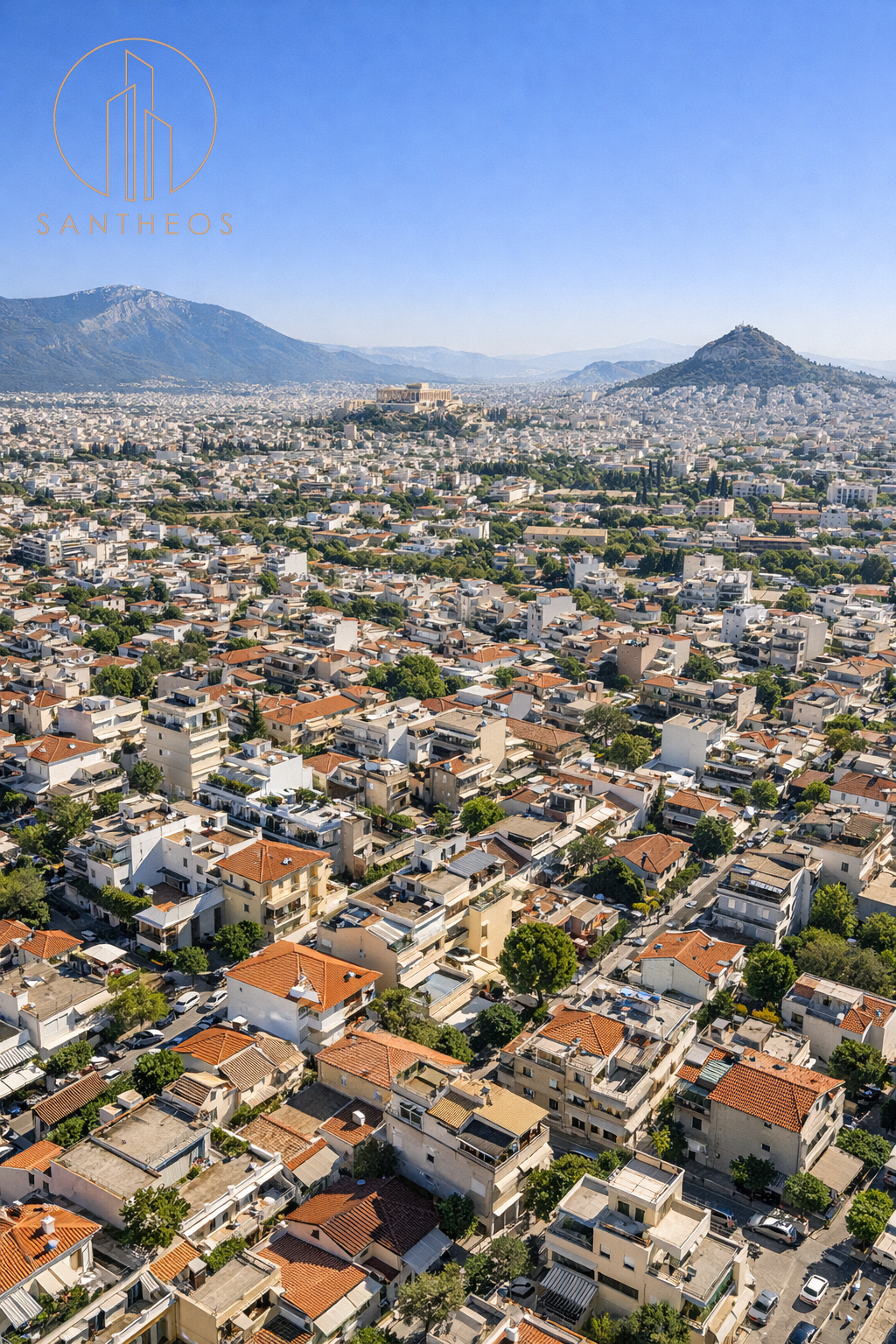
Situated in the northern sector of the Athens metropolitan area, Metamorfosi constitutes a well-established suburban district characterized by residential stability, functional urban planning, and strategic connectivity. Unlike the historic quarters of central Athens, Metamorfosi has developed primarily as a modern urban municipality, shaped by post-war growth, local industry, and the steady expansion of the Athenian basin. Its identity is defined not by spectacle, but by continuity, accessibility, and everyday urban life.
A Strategically Connected Northern Suburb
Metamorfosi occupies a key position within North Athens, bordering municipalities such as Nea Ionia, Irakleio, and Lykovrysi. Its proximity to major transportation corridors—most notably the Attiki Odos and the Kifisos National Road—places it at an important logistical crossroads, enabling direct access to central Athens, Piraeus, and Athens International Airport. This connectivity has historically reinforced Metamorfosi’s role as both a residential base and a hub for light industrial and commercial activity.
While the area is not served directly by the metro network, its integration into the broader transportation system through arterial roads and bus routes ensures consistent accessibility, supporting daily commuting patterns and economic circulation across the metropolitan area.
Residential Fabric and Urban Structure
The urban character of Metamorfosi is predominantly residential, composed of low- to mid-rise apartment buildings, detached houses, and quiet neighborhood streets. Developed largely during the post-war decades, the district reflects the planning priorities of its time: functional layouts, mixed-use blocks, and a strong emphasis on permanent residence rather than transient populations.
This residential stability has fostered a cohesive social environment, where local commerce—bakeries, small retail shops, neighborhood cafés, and services—plays a central role in daily life. The absence of intensive tourism or nightlife activity further reinforces Metamorfosi’s identity as a lived-in, community-oriented municipality.
Productive Activity and Economic Role
Alongside its residential core, Metamorfosi has historically accommodated light industrial and commercial uses, particularly in zones adjacent to major roadways. Warehousing, logistics, and small manufacturing units have contributed to the local economy, benefiting from the area’s accessibility and proximity to transportation infrastructure.
In recent years, gradual shifts toward service-based activities and modern commercial facilities have begun to reshape these zones. This transition reflects broader economic trends within Greater Athens, as former industrial districts adapt to contemporary market demands while maintaining their functional relevance.
Social Life and Everyday Rhythm
Life in Metamorfosi unfolds at a measured and consistent pace. Public squares, local schools, and municipal facilities serve as focal points for social interaction, reinforcing a strong sense of neighborhood cohesion. The district’s population is composed largely of long-term residents and families, contributing to social continuity and intergenerational stability.
Although distant from the historic center, Metamorfosi benefits from visual and geographic proximity to significant natural and urban landmarks, including Mount Parnitha, Mount Lycabettus, and, in the wider urban panorama, the Acropolis. These elements situate the suburb within the broader spatial narrative of Athens, balancing suburban calm with metropolitan awareness.
A Municipality Defined by Continuity and Adaptation
Metamorfosi represents a distinct but integral component of the Athenian urban system. Its significance lies not in cultural prominence or touristic appeal, but in its capacity to support everyday urban life through residential stability, economic functionality, and strategic location. As Athens continues to evolve under pressures of growth, mobility, and regeneration, Metamorfosi remains a reliable and adaptable urban environment—one that reflects the quieter, yet essential, foundations of the modern metropolis.