
Artemida: Athens’ Coastal Gateway of History, Livability, and Opportunity
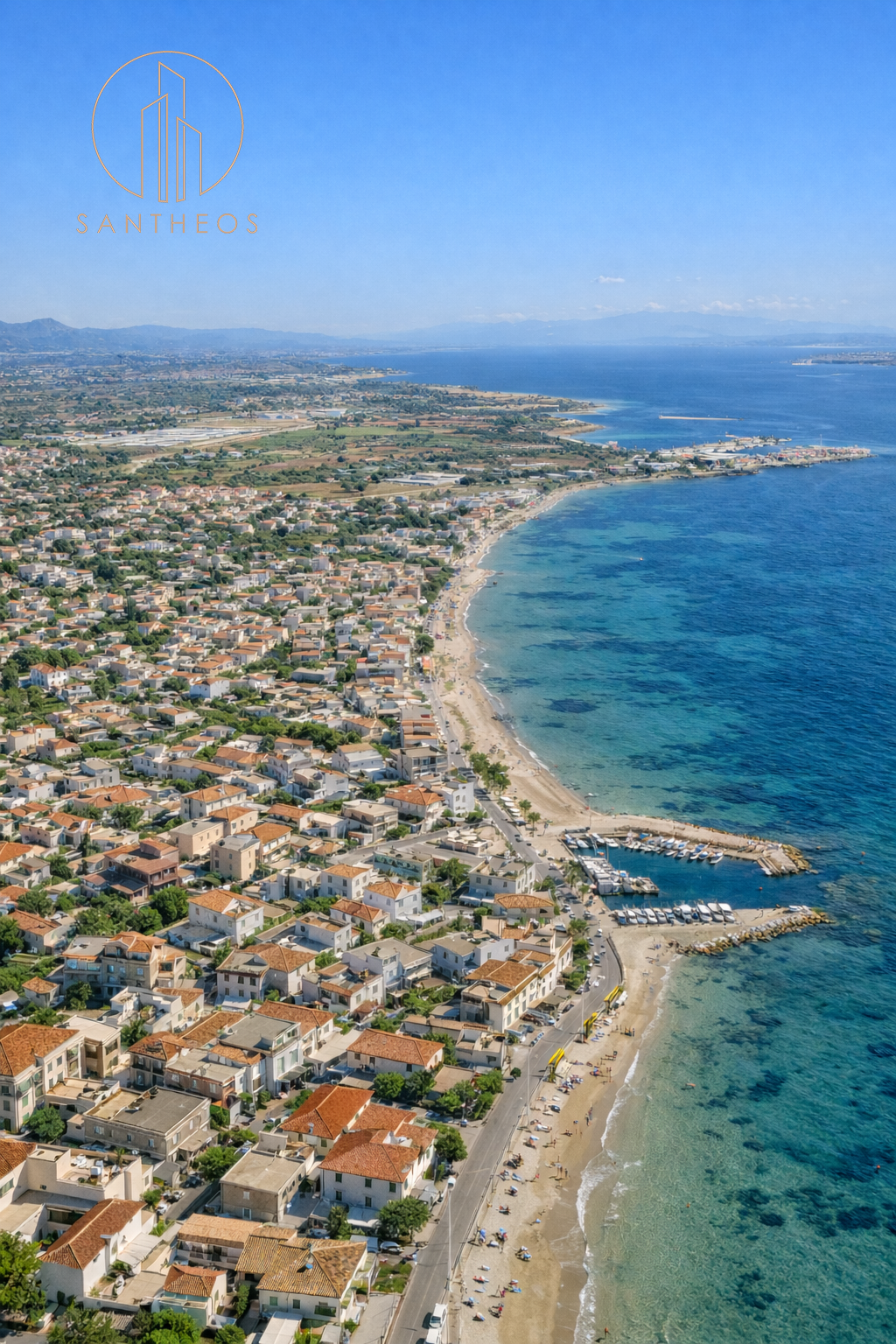
Stretching gracefully along the eastern coastline of Attica, Artemida—widely known by its older name, Loutsa—stands as one of Athens’ most compelling seaside suburbs. Balancing proximity to the capital with an unmistakable island-like atmosphere, Artemida has evolved from a quiet coastal settlement into a dynamic residential and recreational hub. Its strategic location, deep historical roots, and improving infrastructure make it an increasingly attractive place to live, invest, and grow.
A Location Defined by Strategic Advantage
Artemida’s appeal begins with its geography. Situated on the eastern edge of the Athenian basin, it enjoys direct access to the sea while remaining firmly connected to the metropolitan core.
1. Coastal Access with Urban Connectivity
Artemida lies approximately 25 kilometers from central Athens, offering residents the rare privilege of daily seaside living without sacrificing urban access. The area is well-connected via major roadways such as Marathonos Avenue and the Attiki Odos, enabling smooth travel toward Athens’ northern suburbs, the city center, and beyond.
2. Proximity to Athens International Airport
One of Artemida’s most significant advantages is its close proximity to Eleftherios Venizelos International Airport, located less than 15 minutes away. This makes the area particularly attractive to frequent travelers, aviation professionals, and businesses requiring swift international connectivity.
3. Immediate Access to the Aegean Sea
Unlike many Athenian suburbs, Artemida is defined by its coastline. Sandy beaches, organized waterfront areas, and clear waters create a lifestyle centered around outdoor living, leisure, and wellness. The coastal promenade serves as both a social and commercial spine, supporting cafés, restaurants, and local businesses.
4. Residential Calm with Everyday Convenience
Despite its growing popularity, Artemida retains a relaxed, low-density character. Predominantly residential, the area offers a strong sense of community while maintaining essential amenities such as schools, healthcare services, retail outlets, and municipal facilities.
Historical Roots and Cultural Continuity
Artemida’s history stretches far deeper than its modern seaside identity. The area takes its name from the ancient goddess Artemis, protector of nature and the hunt, whose worship was prominent in eastern Attica. Nearby archaeological sites—most notably the Sanctuary of Artemis at Vravrona—underscore the region’s importance in antiquity as a religious and cultural center.
During the 20th century, Artemida transitioned from a seasonal retreat for Athenians into a permanent residential settlement. Post-war development brought modest housing and infrastructure, while the late 20th and early 21st centuries saw steady growth driven by improved transport links and increased demand for coastal living. Today, traces of its past coexist with modern apartment buildings, renovated homes, and expanding public spaces.
Artemida Today: A Coastal Suburb on the Rise
Modern Artemida represents a blend of tradition and transformation. It appeals to families seeking quality of life, retirees drawn to the sea, and younger residents priced out of central Athens but unwilling to abandon connectivity.
1. Infrastructure and Urban Improvement
Ongoing upgrades to road networks, public spaces, and utilities are gradually reshaping the area. Planned improvements in public transport and coastal management aim to further integrate Artemida into Greater Athens while preserving its seaside character.
2. Growing Real Estate and Investment Interest
As demand rises for coastal properties close to Athens, Artemida has become a focal point for residential investment. Compared to southern suburbs like Glyfada or Voula, it offers more accessible pricing while delivering comparable lifestyle benefits, positioning it as a strong long-term prospect.
3. Lifestyle, Nature, and Sustainability
Beyond the beach, Artemida benefits from nearby natural landscapes, including wetlands, hills, and archaeological parks. These elements enhance environmental quality and offer opportunities for sustainable urban planning, eco-tourism, and recreational development.