
Investing in Heritage: Greece's Golden Visa and Neo-Classical Buildings
Greece, a land steeped in history and adorned with architectural marvels, has become an increasingly attractive destination for investors seeking not only a foothold in Europe but also a tangible connection to its rich past. At the heart of this appeal lies the Golden Visa program, offering a path to residency through real estate investment, and a particularly enchanting opportunity lies within the realm of neo-classical buildings.
The Allure of Neo-Classical Architecture
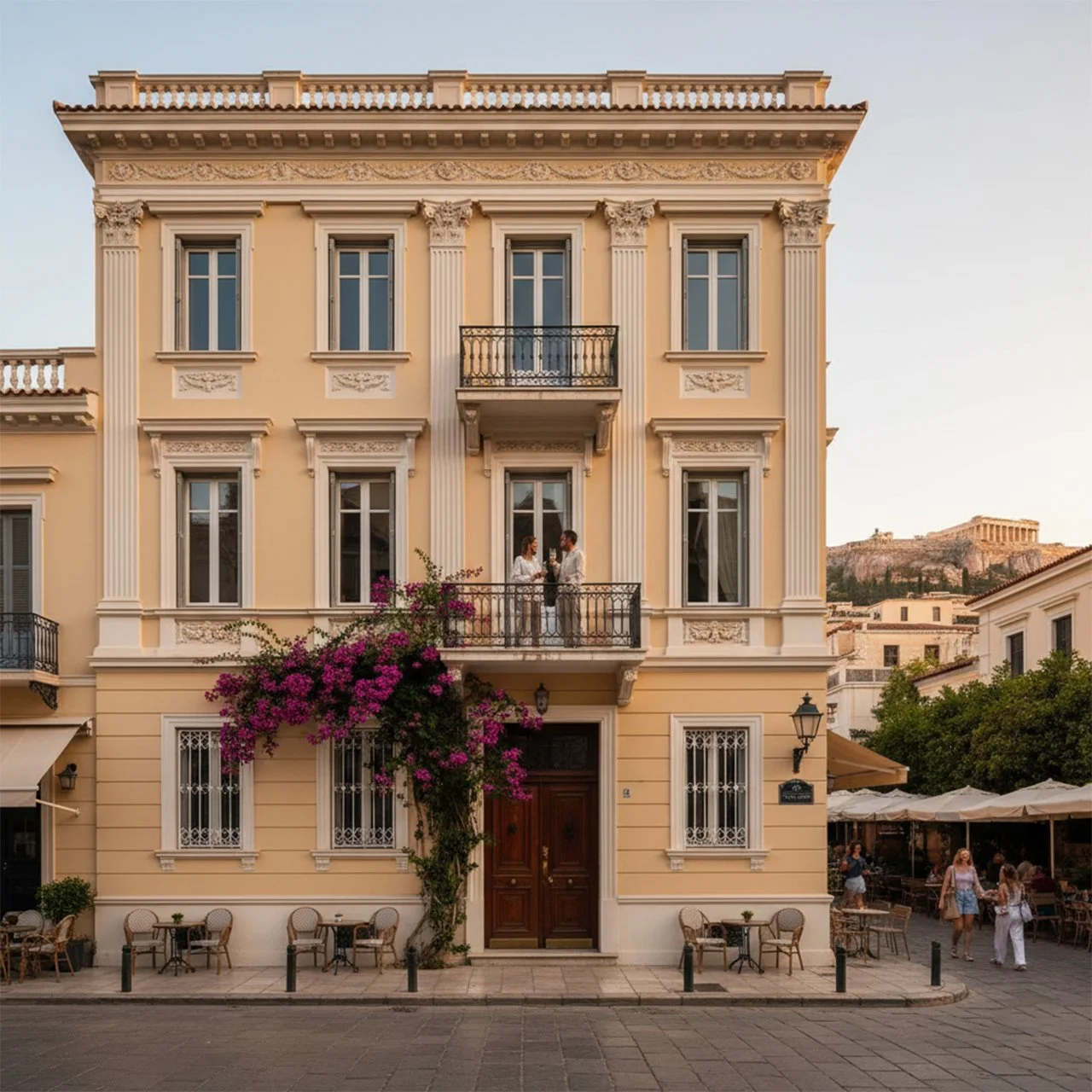
Imagine owning a piece of history, a property that whispers tales of bygone eras while offering the comforts of modern living. Neo-classical buildings in Greece, predominantly found in Athens, Piraeus, and charming island towns, embody this dream. Characterized by their elegant symmetry, stately columns, intricate facades, and often high ceilings, these structures reflect the grandeur of ancient Greek and Roman architecture, reinterpreted during the 18th and 19th centuries.
From grand mansions that once housed prominent families to charming townhouses lining picturesque streets, neo-classical buildings offer a unique aesthetic and a sense of timeless sophistication. They are not just properties; they are cultural assets, contributing significantly to the urban fabric and historical identity of their locations.
Greece's Golden Visa: A Gateway to European Residency
The Greek Golden Visa program, launched in 2013, is one of the most competitive and popular residency-by-investment schemes in Europe. It grants a five-year renewable residency permit to non-EU citizens who make a qualifying investment in Greece. The most common route is through real estate, with a minimum investment threshold.
Key benefits of the Golden Visa include:
Schengen Area Access: Visa-free travel within the Schengen Zone for the investor and their family.
Family Inclusion: The permit extends to the investor's spouse, children up to 21 (or 24 under certain conditions), and dependent parents of both the investor and spouse.
No Residency Requirement: Unlike many other programs, there is no minimum stay requirement to maintain the visa, making it ideal for those who don't wish to relocate full-time.
Potential for Citizenship: After seven years of legal residency, investors may be eligible to apply for Greek citizenship.
Strong Investment Potential: Greece's real estate market, particularly in prime urban and tourist areas, has shown significant recovery and growth.
The Synergistic Appeal: Golden Visa and Neo-Classical Gems
The combination of the Golden Visa program and investment in neo-classical buildings presents a compelling proposition:
Meeting the Investment Threshold: Many neo-classical properties, especially those requiring renovation, can be acquired at competitive prices, allowing investors to meet or exceed the Golden Visa's minimum investment. The renovation costs themselves can sometimes be factored into the overall investment, particularly if they significantly increase the property's value.
Value Appreciation: Beyond the initial investment, carefully chosen neo-classical properties offer significant potential for capital appreciation. As these buildings are finite and highly sought after, their value tends to be resilient and can grow substantially, especially after thoughtful restoration.
Rental Income Potential: Renovated neo-classical buildings, particularly in central Athens or popular island destinations, are highly desirable for both long-term rentals and lucrative short-term holiday lets (e.g., via platforms like Airbnb). Tourists and discerning residents often seek out the unique charm and character that these properties offer.
Cultural and Historical Significance: Owning a neo-classical building is more than just a financial investment; it's an investment in heritage. It allows you to become a custodian of a piece of Greek history, contributing to the preservation of its architectural legacy.
A Unique Lifestyle: For those considering a move or extended stays in Greece, a neo-classical home offers an unparalleled living experience, combining historical elegance with vibrant modern life. Imagine sipping your morning coffee on a balcony overlooking an ancient street, surrounded by architectural beauty.
Challenges and Considerations
While the prospect is enticing, investing in neo-classical buildings comes with its own set of considerations:
Renovation Costs: Many of these properties require significant restoration to bring them up to modern standards and seismic codes. It's crucial to factor in these costs, which can sometimes be substantial, and to work with experienced architects and contractors familiar with historical preservation.
Permitting and Regulations: Renovation of historical buildings is subject to strict regulations and requires specific permits from archaeological and urban planning authorities. This process can be more complex and time-consuming than for modern properties.
Maintenance: Older buildings often require more specialized and ongoing maintenance.
Due Diligence: Thorough due diligence is paramount. This includes a comprehensive structural survey, legal checks to ensure clear title, and verification of all necessary permits and historical protection statuses.
The Renovation Renaissance
Greece has seen a "renovation renaissance" in recent years, particularly in Athens. Areas like Psirri, Gazi, and the historic center are being revitalized, with many dilapidated neo-classical buildings being lovingly restored to their former glory, often incorporating contemporary design elements while respecting their original character. This trend not only preserves architectural heritage but also creates vibrant new neighborhoods and increases property values.
Find out our neo-classical Golden Visa projects:
Project Plapouta – Golden Visa Apartments in Athens from €250,000 Santheos projects — SANTHEOS
