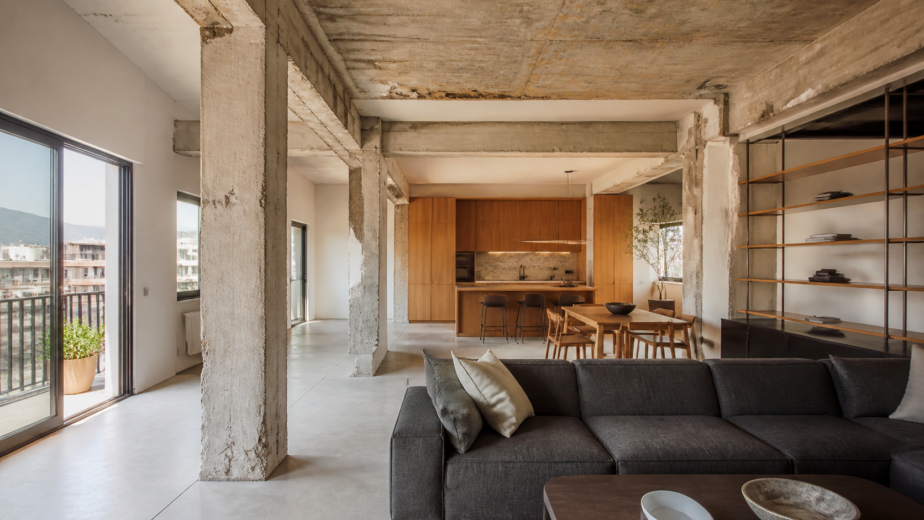


Buying an EUR 250,000 Greece Golden Visa conversion project is not only an acquisition decision. It is also a decision about how the completed home will be occupied, managed and documented during the period in which the investor relies on it for residence-permit purposes.
A sensible use plan should be agreed before the purchase deed, not after delivery. The owner, lawyer, accountant and property manager need to understand whether the home will be used by the family, left available for visits, rented on a lawful basis or managed as part of a longer-term holding strategy.
The property first has to complete its residential conversion
The official Greek procedure for the change-of-use Golden Visa requires the main spaces of a single property to be converted from commercial to residential use. The change must be completed before the residence application, and an engineer’s report must identify the relevant permit, update or revision and confirm the residential use.
That makes the technical completion file part of the future use plan. Before accepting delivery, the buyer’s engineer should check that the finished space corresponds to the approved drawings, that the residential use is properly documented and that utilities, common areas and access rights are consistent with the title and building records.
Personal use and family occupation
An owner may acquire the home for personal or family occupation. In that case, the practical review should cover more than finishes and furniture. It should include utility activation, building regulations, common charges, insurance, access control, maintenance responsibility and the process for reporting defects after handover.
Families who spend only part of the year in Greece should appoint a local contact for urgent maintenance, building notices and tax or utility correspondence. A closed apartment still requires periodic inspection. Water leaks, humidity, power interruptions and unpaid common expenses can develop into larger problems when nobody is responsible for routine checks.
Do not assume short-term rental is permitted
Short-stay platforms and tourist-style letting should not be treated as the default income strategy for a Golden Visa property. Current Article 100 rules include restrictions affecting short-term rental use for relevant Golden Visa acquisitions, and non-compliance can create immigration as well as property-management risk.
Before advertising the property for nightly or weekly stays, the owner should obtain written advice covering the acquisition category, the residence-permit file, the building’s permitted use, condominium rules, tax registration and any local restrictions. A marketing agent’s willingness to list the apartment is not evidence that the use is lawful.
Long-term leasing requires its own review
A conventional residential lease may be a different proposition from short-term accommodation, but it still needs a structured legal and tax review. The owner should decide the proposed term, deposit, permitted occupants, utility responsibility, maintenance obligations and termination process. The lease should be registered through the appropriate Greek tax procedure and should not contradict the title, building rules or residence-permit conditions.
Owners living outside Greece also need a clear rent-collection and reporting system. Payments should move through identifiable accounts, invoices and expenses should be retained, and the accountant should receive the information required for tax filings. No rental forecast should be treated as guaranteed: vacancy, repairs, taxes and management costs affect the net result.
Property management is not the same as legal compliance
A property manager can coordinate tenants, inspections, cleaning and repairs, but should not be asked to determine immigration eligibility. The lawyer reviews Article 100 and the residence-permit consequences. The engineer confirms permitted use and technical status. The accountant addresses rental registration and tax reporting. The manager then operates within those instructions.
This division of responsibility should be written into the management agreement. The owner should know who may approve expenditure, how emergencies are handled, how often inspections occur and what evidence will be delivered after each intervention.
Keep a continuing ownership and property file
The residence permit is issued for five years under the official change-of-use procedure. Renewal planning should begin well before expiry. The owner should retain the purchase deed, payment evidence, notarial certificate, cadastral registration, engineer’s report, E9 declaration, insurance and subsequent documents showing continued ownership.
Property-management records are also useful. Keep leases, tax registrations, common-expense statements, insurance renewals and major repair invoices. These records help advisers understand how the property has been used and whether any action requires correction before a renewal or sale.
Changes to the apartment need technical control
After delivery, owners may want to combine rooms, alter plumbing, enclose areas or change access. Even small works can affect approved plans, building rules or shared infrastructure. The engineer should classify the work and identify any approval required before contractors begin.
This is particularly important for a converted property because the residence application relies on a documented change to residential use. Uncontrolled later alterations should not undermine the clarity of that file.
Insurance and risk management
The official residence procedure requires private insurance for the applicant, while the property itself needs appropriate building and contents protection. These are separate policies. If the apartment is rented, the insurer should know the intended use. Owners should also understand the building’s master insurance, deductibles and exclusions.
For a furnished property, maintain an inventory with dated photographs. At tenant entry and exit, record condition and meter readings. For an unoccupied home, confirm whether the policy imposes special inspection or security requirements.
A pre-purchase property-use checklist
- Choose personal use, long-term letting or another lawful strategy before signing.
- Obtain legal advice before any short-stay or platform rental activity.
- Review the title, building rules and approved residential use.
- Confirm tax registration and reporting obligations with a Greek accountant.
- Appoint a manager with written authority, inspection duties and spending limits.
- Preserve the technical, ownership, insurance and management records.
- Review any alterations with an engineer before construction.
Planning the use of a Santheos project
Santheos presents Greece Golden Visa conversion projects in Athens with project information for independent legal and technical review. Availability, handover terms and property-use planning should be considered together before reservation.
Read the Golden Visa Q&A and Golden Visa Guide, then contact Santheos to request the current project file.
Official references
- National Registry: Permanent Golden Visa (change of use) – Initial issuance
- Ministry of Migration and Asylum: Legal migration legislation
Continue your research
- EUR 250,000 Greece Golden Visa: Commercial-to-Residential Conversion Eligibility
- EUR 250,000 Commercial Conversion Projects in Athens: How to Choose the Right Location
- Engineer Report for a Greece Golden Visa Conversion Project: What It Must Confirm
Prepared by: Santheos Research & Project Team. Last updated: September 2026. General information only, not legal, tax or immigration advice. Eligibility is subject to final legal review. Review the Greece Golden Visa Encyclopedia, the official Mitos entry, or contact Santheos for a property-specific discussion.